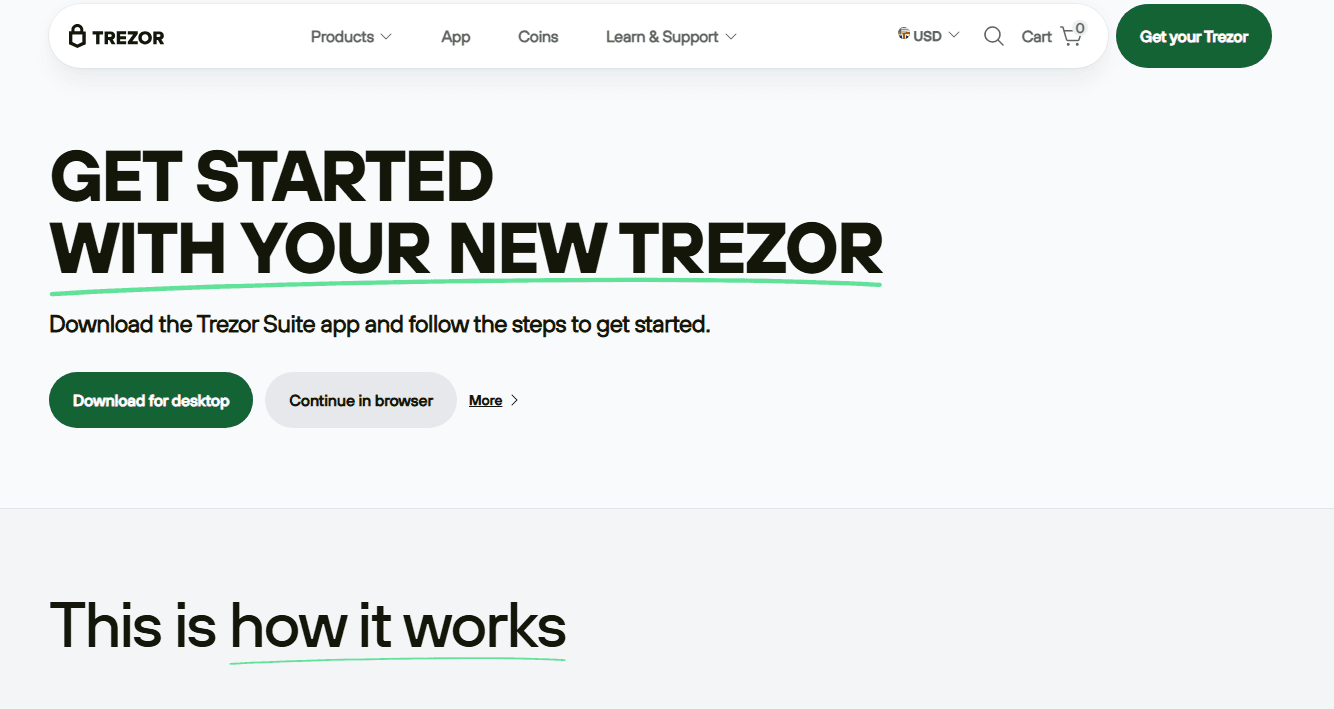
Trezor Suite: The Complete Guide to Secure Cryptocurrency Management
In the rapidly expanding world of cryptocurrency, managing digital assets safely is essential. Trezor Suite, developed by SatoshiLabs, provides users with a secure, user-friendly platform to manage multiple cryptocurrencies while keeping private keys offline. This guide explains everything you need to know about Trezor Suite, including setup, features, and best practices for secure crypto management.
1. What is Trezor Suite?
Trezor Suite is a desktop and mobile application that works alongside Trezor hardware wallets to give users full control over their digital assets. It combines the security of hardware wallets with a clean, intuitive software interface, making it easier to manage and track cryptocurrencies.
Key Benefits of Trezor Suite
Private keys remain safely offline
Supports hundreds of cryptocurrencies, including Bitcoin, Ethereum, and DeFi tokens
User-friendly interface for beginners and advanced users
Frequent firmware and software updates for enhanced security
Trezor Suite acts as the bridge between secure hardware storage and practical crypto management, ensuring users can transact safely without compromising control.
2. Setting Up Your Trezor Device
Before using Trezor Suite, your Trezor hardware wallet must be initialized. The two main models are Trezor One and Trezor Model T.
Step 1: Unboxing Your Device
Confirm the packaging is intact and untampered
Inside the box: Trezor device, USB cable, recovery card, and instructions
Step 2: Connecting to Trezor Suite
Download the official Trezor Suite application for Windows, macOS, Linux, or mobile
Connect your device using the USB cable (Model T supports Bluetooth for mobile use)
Step 3: Initialize Your Wallet
Choose Set up as new device or Recover wallet
Create a strong PIN code
Write down your 24-word recovery seed on the provided card and store it securely offline
3. Navigating Trezor Suite
Trezor Suite provides a comprehensive dashboard to manage cryptocurrency accounts and transactions.
Dashboard Overview
Real-time portfolio value updates
Transaction history for each account
Notifications for firmware and software updates
Quick access to security settings and management tools
Adding Cryptocurrency Accounts
Click “Add Account”
Select your desired cryptocurrency
Follow prompts on your Trezor device to sync the account
Sending and Receiving Crypto
Receiving: Generate addresses securely on the device
Sending: Confirm transactions on the device to prevent phishing and malware attacks
4. Security Features of Trezor Suite
Security is central to Trezor Suite, combining hardware and software protections.
Hardware Security
Private keys never leave the device
PIN code protects against unauthorized access
Recovery seed allows wallet restoration in emergencies
Software Security
All transactions require device confirmation
Communication between the device and Trezor Suite is encrypted
Firmware updates strengthen security and add new features
Best Practices
Store recovery seed offline and never share it digitally
Verify addresses on the device screen before confirming transactions
Use strong and unique PINs
5. Restoring Your Wallet
If your Trezor device is lost, stolen, or damaged, your wallet can be restored using your recovery seed.
Step 1: Get a New Device
Always purchase from official Trezor sources to avoid tampered devices
Step 2: Recover Wallet
Select Recover Wallet during setup
Enter your 24-word recovery seed carefully
Step 3: Sync with Trezor Suite
Your accounts, balances, and transaction history will be restored automatically
6. Managing Multiple Cryptocurrencies
Trezor Suite supports a wide range of digital assets, including:
Bitcoin (BTC)
Ethereum (ETH)
Ripple (XRP)
Stablecoins (USDT, USDC)
NFTs and DeFi tokens
All cryptocurrencies can be managed within a single interface for maximum convenience without sacrificing security.
7. Buying, Selling, and Swapping Crypto
Trezor Suite integrates with trusted partner platforms for secure transactions.
Buying Crypto: Purchase via bank transfers or credit card
Selling Crypto: Convert crypto to fiat securely
Swapping Crypto: Exchange one cryptocurrency for another directly within Trezor Suite
Every transaction requires confirmation on the hardware device, ensuring full security control.
8. Regular Maintenance and Updates
Keeping your Trezor device and Suite software updated is essential.
Firmware Updates: Protect against vulnerabilities and add new cryptocurrency support
Software Updates: Improve usability and add new features
Backup Verification: Regularly check your recovery seed for safety
Staying up-to-date ensures your wallet remains compatible with emerging crypto technologies.
9. Troubleshooting and Support
Trezor provides a range of support options for users:
FAQs and Guides: Step-by-step instructions for common problems
Trezor Academy: Educational resources for beginners and advanced users
Official Customer Support: Direct assistance via the official website
Always use official support channels to avoid phishing and scam attempts.
10. Best Practices for Secure Crypto Management
Even with Trezor Suite, user behavior plays a critical role in security. Follow these best practices:
Use strong, unique PIN codes
Never store recovery seed digitally or online
Enable passphrases for added security
Monitor account activity regularly
Following these steps ensures your digital assets remain secure over the long term.
11. Conclusion: Take Full Control of Your Crypto
Trezor Suite combines hardware-backed security with a user-friendly interface, making cryptocurrency management safe and efficient. By following setup instructions, maintaining updates, and practicing safe habits, users can confidently manage their crypto portfolios.
Key Takeaways:
Private keys remain offline for maximum security
Trezor Suite supports multiple cryptocurrencies and accounts
Recovery seed is essential for wallet restoration
Regular updates and proper security practices protect your assets
Start using Trezor Suite today and experience secure, seamless cryptocurrency management.